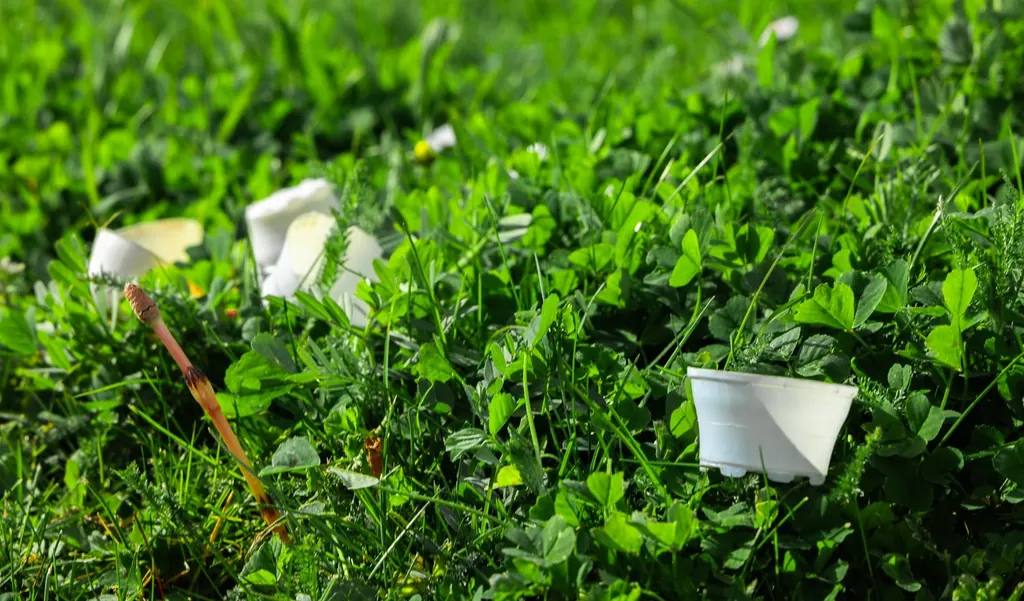

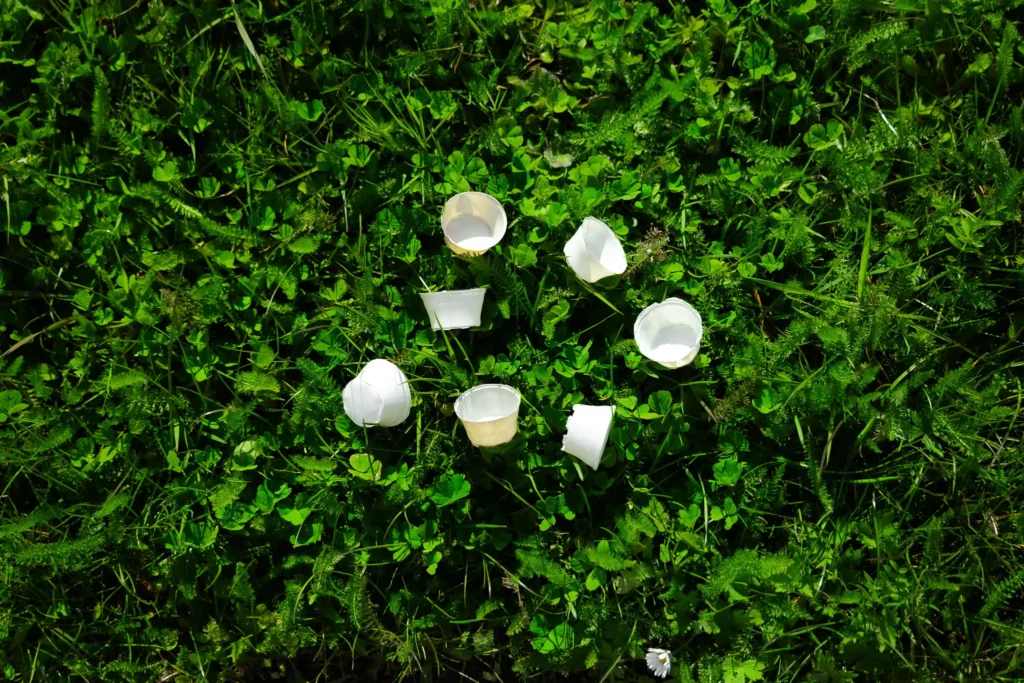
Medicine cups made of bacterial cellulose, arranged in a circle on grass

Biomanufactured materials

The future of disposables is grown, not made.

We grow bacterial cellulose and turn it into disposables for healthcare. We are starting with the medicine cup.

  • Made without PFAS
  • Patent pending
  • Hospital pilot Running since April 2026

The problem

Used for seconds. Then burned.

Dutch healthcare alone uses over 50 million plastic medicine cups a year. How we calculated this Estimate (details and source)

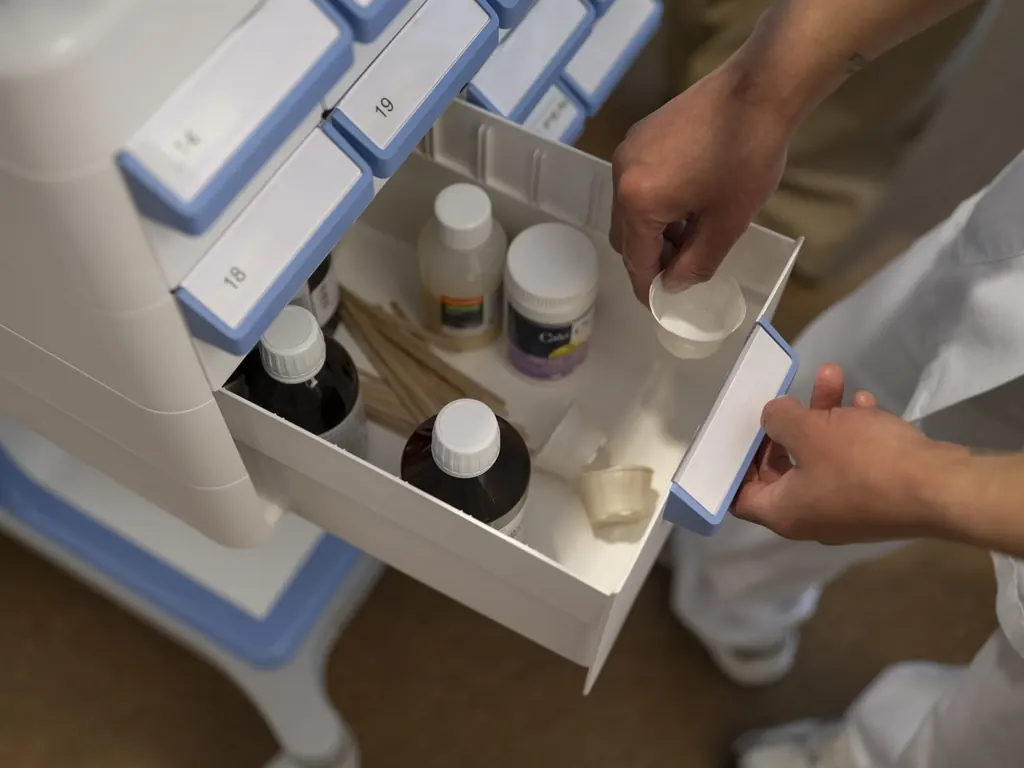
Each cup holds a few pills during the medication round. Then it goes into the incinerator with the hospital waste.

Drawing: a plastic cup with a pill stands on the medication cart. The pill goes to the patient in bed, then the cup flies into the bin. 3 sec

Why not just switch?

Plastic

Polypropylene made from fossil fuels, used once. A plastic medicine cup has a footprint of about 11.2 g CO₂-eq; a paper one about 1.5 g. Source (details and source)

Paper

Paper goes soft when it gets wet. Paper disposable cups often have a plastic coating to make them watertight. Under EU rules that makes them a single-use plastic product. Source (details and source)

Some of those coatings contain PFAS. Since 12 August 2026 the EU Packaging Regulation has restricted PFAS in food-contact packaging. Source (details and source)

Reusable

Reusable cups have to be collected, washed and returned, with strict infection control on every ward. That does not fit well with a medication round.

Our solution

A cycle that grows.

From plant to cup and back again. Bacteria make the material and we shape it. The dotted part is our goal. We are not there yet.

Plants

Plants grow in the fields and are processed into food and other products. What is left over are side streams.

Side streams

Our bacteria grow on side streams from the food industry, not on food itself. Our own data (details and source)

Grow

In a tray, bacteria weave a sheet of pure cellulose.

Shape

How we form the material into a rigid cup is our own innovation. In March 2026 Plastilose filed a Dutch patent application.

Hospital

The cup is designed for the dispensers and pill crushers hospitals already use.

Organic waste Goal

Our goal is a cup that can go in the organic waste after use and become compost. This is a goal, not a property of today's cup. Today the cup goes in general waste. We are still testing organic-waste and paper-recycling routes with waste processors. Nothing has been agreed. We do not have a compostability certificate. Goal (details and source)

Compost Goal

Our goal is for that compost to go back to the fields, where new plants grow.

Explore the technology
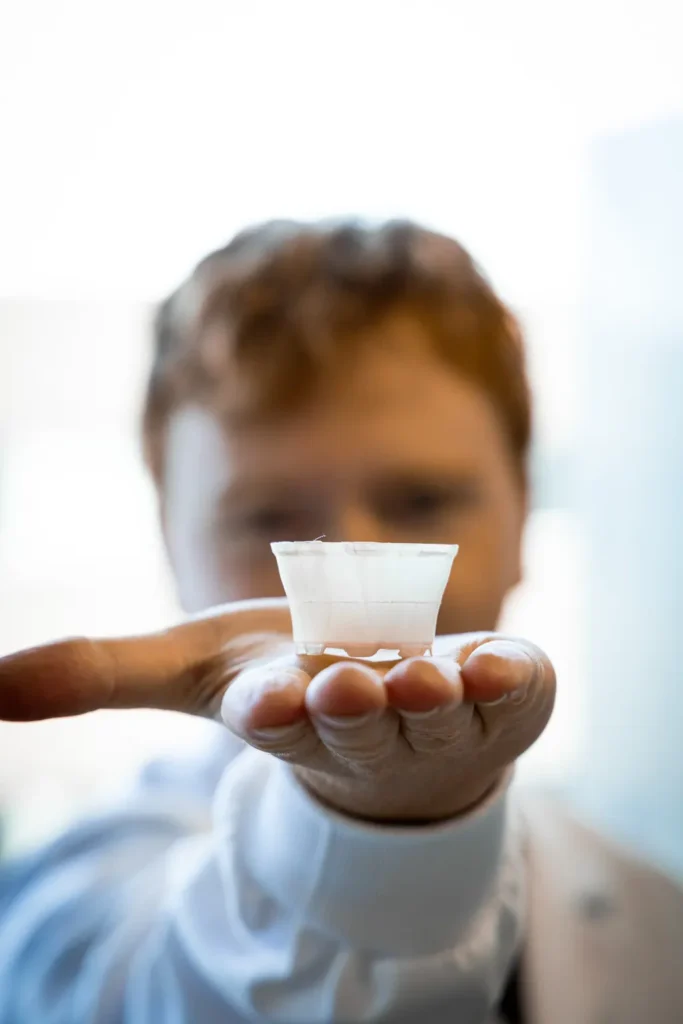
A hand holds out a medicine cup made of bacterial cellulose

The first product

Nothing changes for nurses.

A 30 ml medicine cup, designed for the dispensers and pill crushers hospitals already use. Made of grown cellulose, not oil.

  1. The cup is made of cellulose, with no coating, laminate or additives. There is no plastic in it. Our own data (details and source)

  2. We use no PFAS and no coating. Our own data (details and source)

  3. In a published study, bacterial cellulose did not react chemically with the two medicines tested, ibuprofen and propranolol. Source (details and source)

  4. Formed cups hold liquid in our laboratory tests. Internal test (details and source)

For hospitals
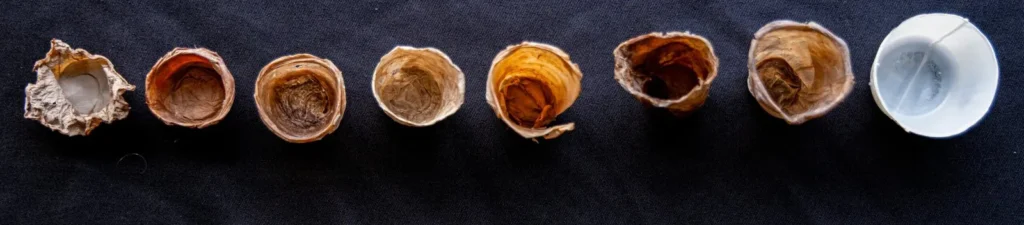
A row of bacterial cellulose cups, from intact to weathered. An illustration, not a test result.

What happens when you throw it away.

In a published study, bacterial cellulose lost about 75% of its mass in 8 weeks buried in soil. Source (details and source) What is bacterial cellulose?

It was a greenhouse soil-burial test. It was done on the material, not on our cup. We do not have a compostability certificate.

Drawing: worms, beetles, fungi and microorganisms break a cup down until it is gone. Then something new grows. That last part is our goal. The study measured the breakdown of the material, not of the cup. Goal week 0week 1week 2week 3week 4week 5week 6week 7week 8

Interest

Every one of them came to us.

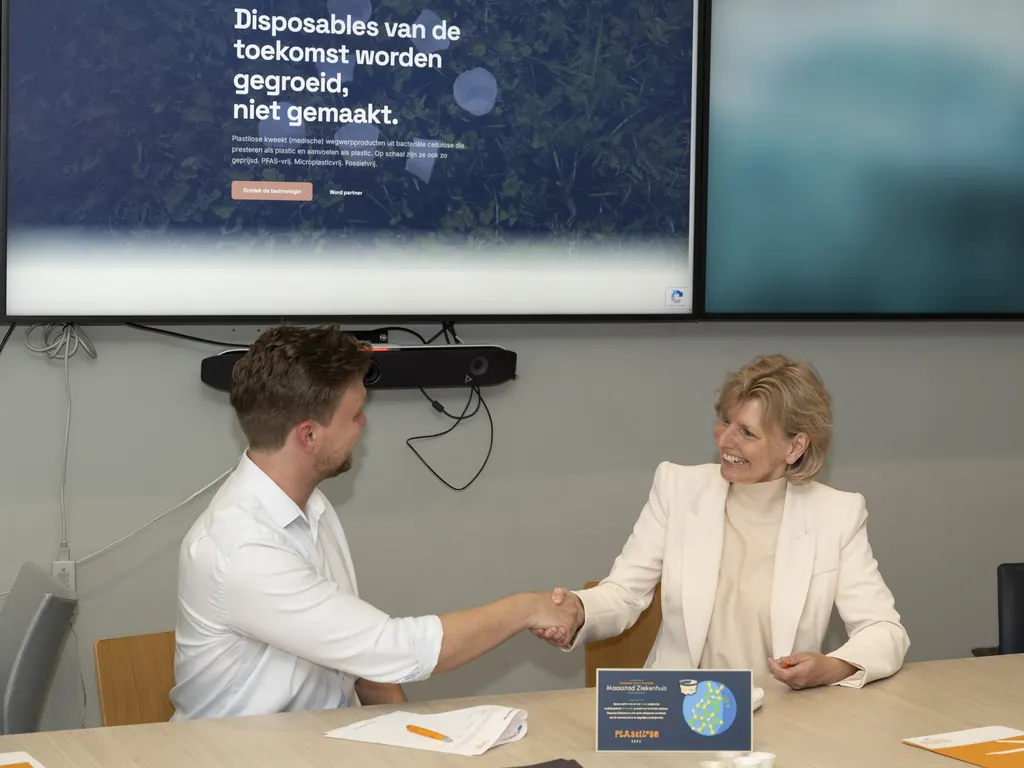
Handshake at the start of the pilot at Maasstad Ziekenhuis
Start of the pilot
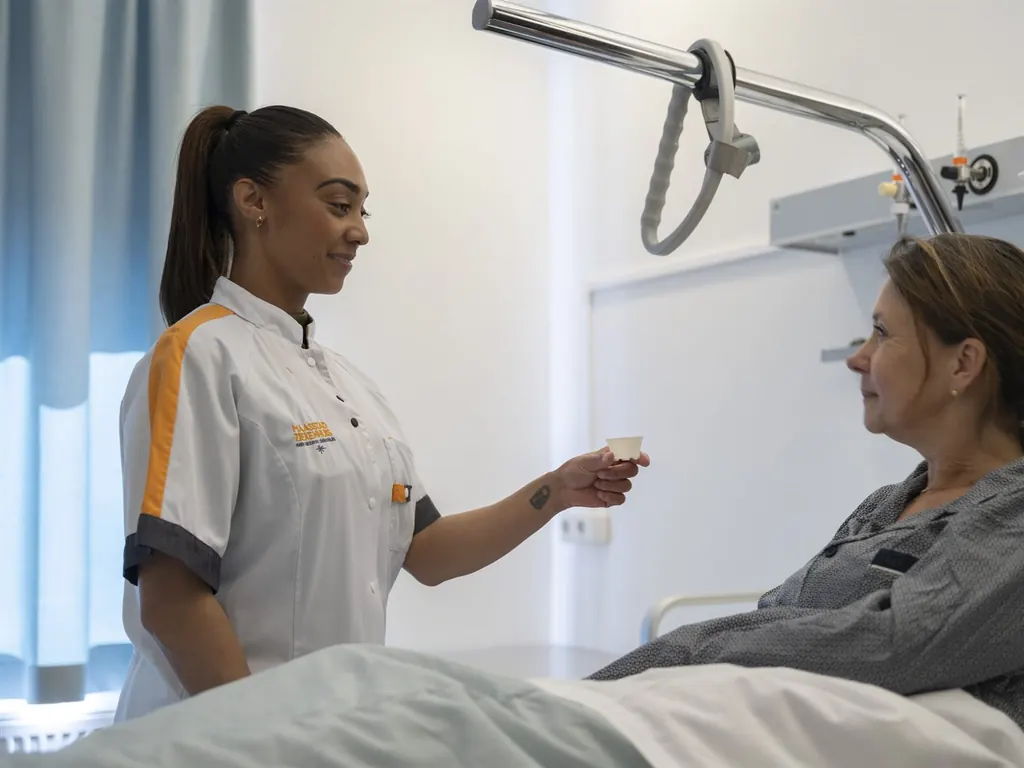
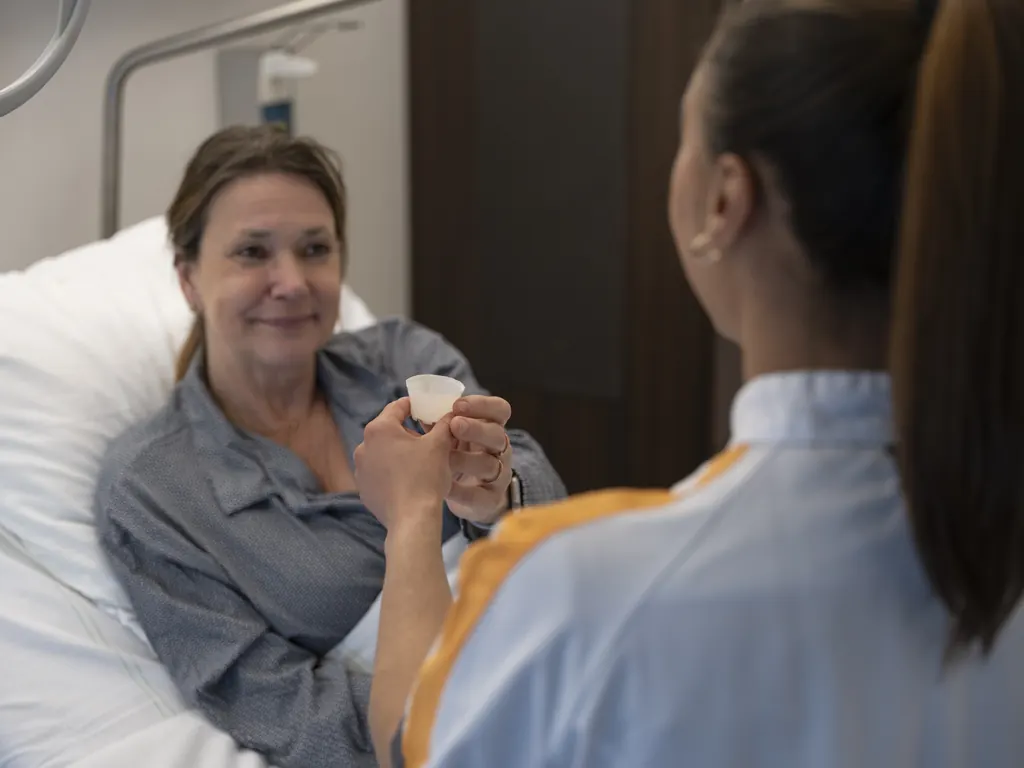
Staged photo: a nurse playing the patient in a hospital bed holds a medicine cup made of cellulose
Staged, posed by nurses
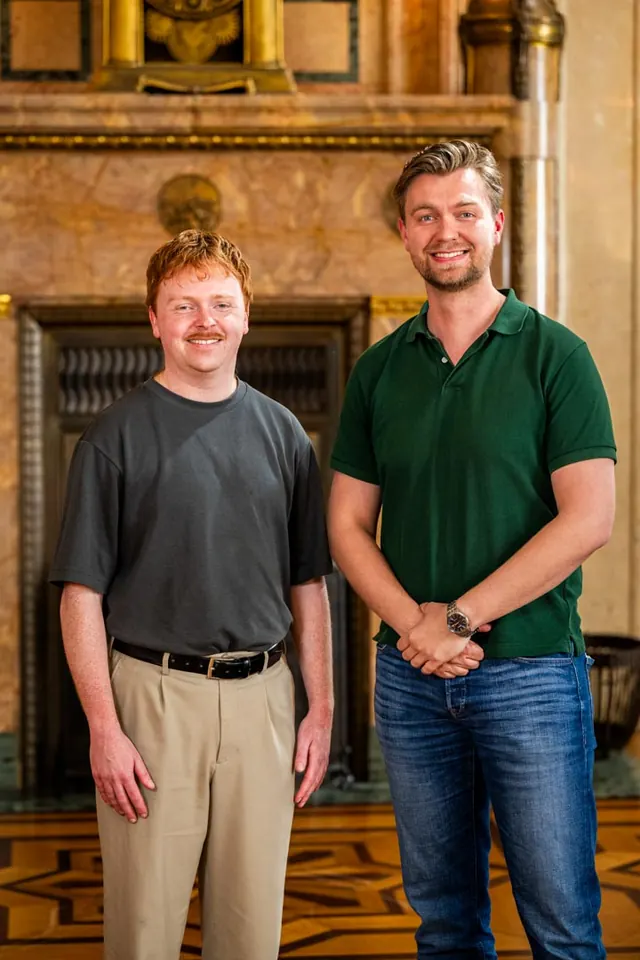
Two members of the Plastilose team at the Nieuwe Heldenprijs award
Nieuwe Heldenprijs 2026
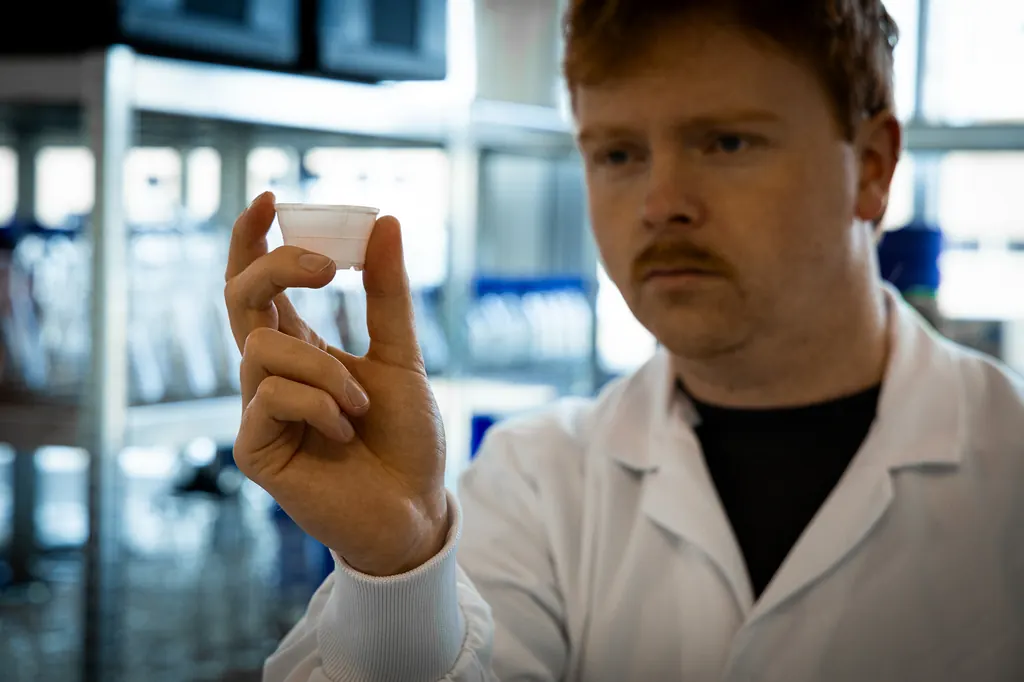
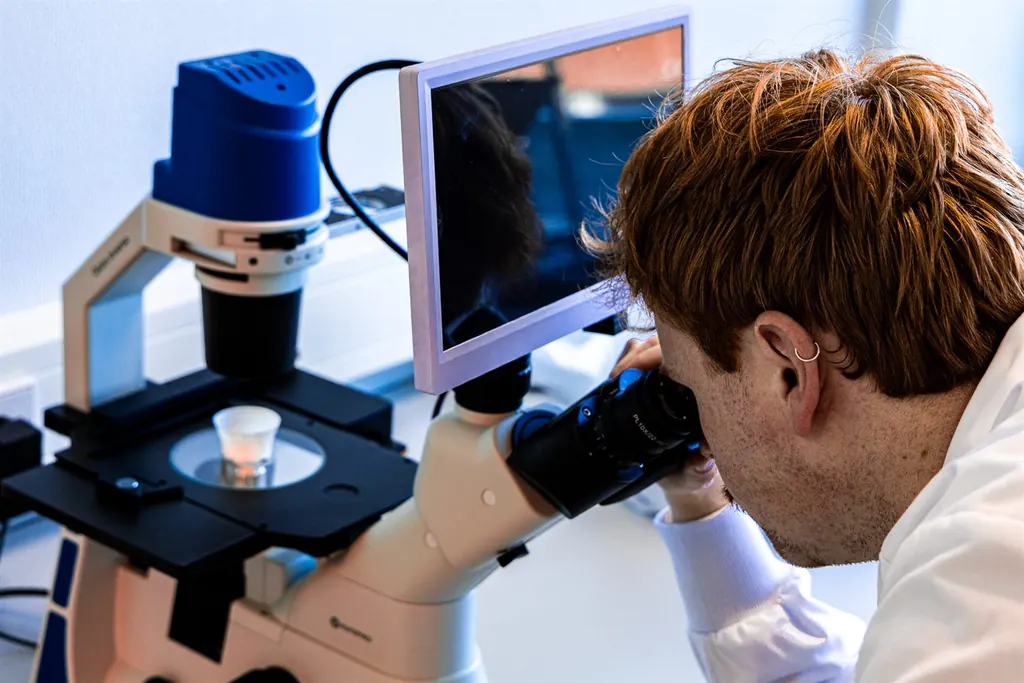
A team member examines a cup made of cellulose in the lab
In the lab in Delft

Supported by

  • BlueCity
  • Biotech Campus Delft
  • Planet B.io
  • City of Rotterdam
  • CityLab010
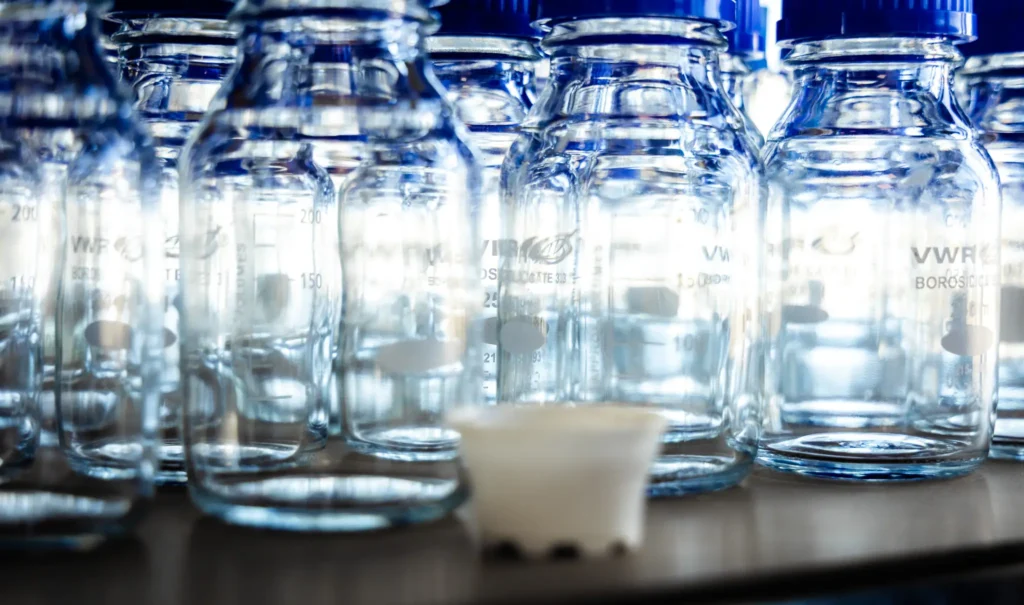
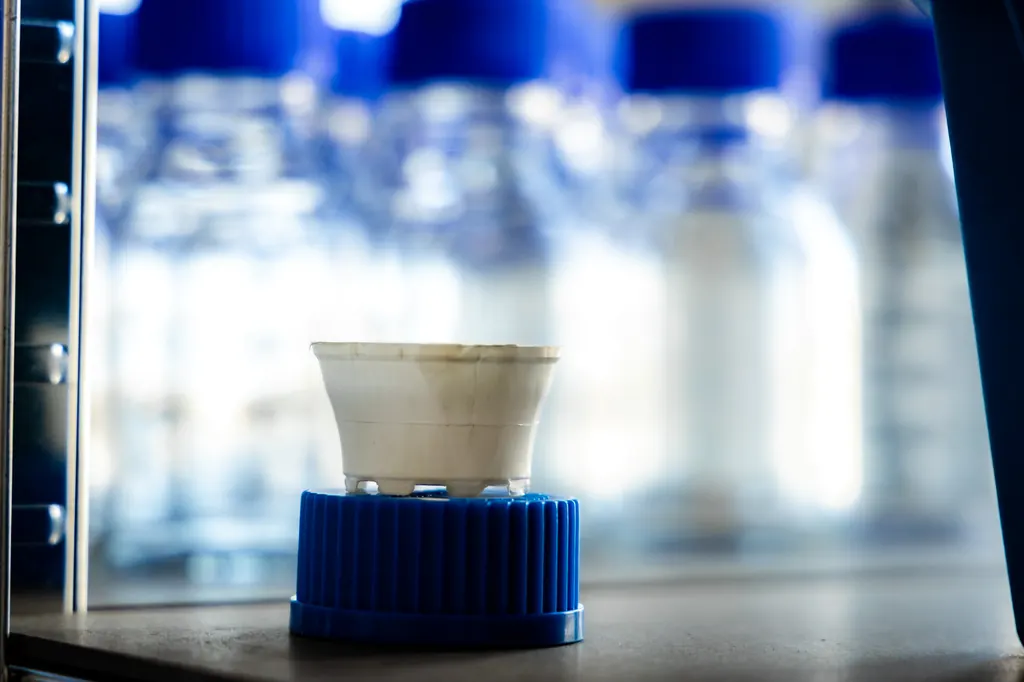
Glass jars in the lab, with a cup made of cellulose among them
In the lab at Biotech Campus Delft

Our plan

One production line first. Then licences to partners.

These are goals and plans, not forecasts or commitments. They depend on funding and on what we learn on the pilot line. Dates and numbers may change.

  1. Now

    Lab in Delft

    Our manufacturing process is at TRL 4 to 5, with TRL 5 targeted for early 2027.

    Our own data (details and source)
  2. End of 2026

    Pilot line

    A pilot line for about 10,000 cups a week, under construction in Delft, with the goal of running by the end of 2026.

    Goal (details and source)
  3. 2028 to 2030

    Our own line

    Our plan is our own production line for 1 million cups a week. We aim for the first cups at the end of 2028 and full capacity in 2030.

    Goal (details and source)
  4. From 2030

    Licences to partners

    The first licence is planned for 2030. After that, partners can build factories with our process, each with a line of 1 million cups a week.

    Goal (details and source)
Our long-term ambition is 100 million products a week Goal (details and source) An ambition, not a forecast. The full plan for investors See the whole timeline

The team

The people behind the cup.

We debate, we sometimes disagree and we keep each other sharp. That works because we trust each other enough to be honest. Our team consists of two co-founders and five employees. We also have two advisers. Our own data (details and source)

  • Joram Boumans

    Joram Boumans

    Co-founder and CEO

    • Business and fundraising
    • Industrial product design
    • Brand and growth
    Background
    Education
    MSc Integrated Product Design, TU Delft
    Experience
    More than ten years building digital products and brands through his agency tridim.
    Highlight
    Third place in the Dutch final of the Global Student Entrepreneur Awards.
    in
  • Jason Smit

    Jason Smit

    Co-founder and CTO

    • Biodesign and materials technology
    • Product development
    • Hospital workflow integration
    Background
    Education
    MSc Integrated Product Design, TU Delft
    Experience
    Designed the first Plastilose straw at the BlueCity Circular Ideation Lab. Has worked in a hospital, close to day-to-day care.
    Highlight
    Invented our forming method.
    in
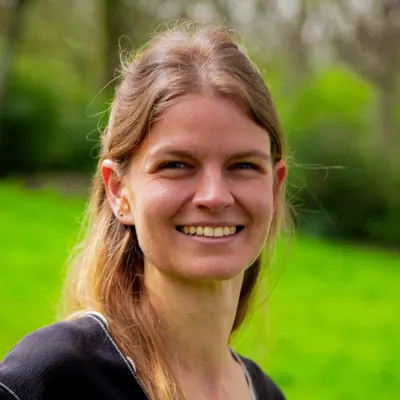
  • Ellen Shute

    Ellen Shute

    Microbiologist

    • Microbiology and fermentation
    • Bioinformatics and data analysis
    • Bioengineering
    Background
    Education
    MSc Molecular Techniques in Life Science, KTH Stockholm and SciLifeLab. BSc Utrecht University, summa cum laude.
    Experience
    Bioinformatician at Utrecht University. Research intern at SciLifeLab Stockholm.
    Highlight
    Published in Trends in Genetics. Was project lead of iGEM Stockholm, which won a gold medal.
    in
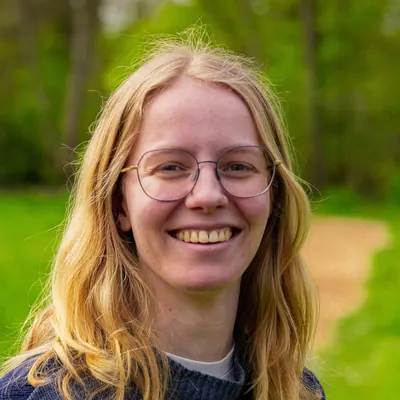
  • Iza Bosch

    Iza Bosch

    Product engineer

    • Product engineering and prototyping
    • 3D printing and fabrication
    • Detail design and testing
    Background
    Education
    MSc Integrated Product Design, TU Delft
    Experience
    Design engineer at Project MARCH (TU Delft Dream Team), responsible for the housing of an exoskeleton. Student assistant for two courses on 3D printing and prototyping at TU Delft.
    Highlight
    Turns ideas into physical products, from prototype to production.
    in
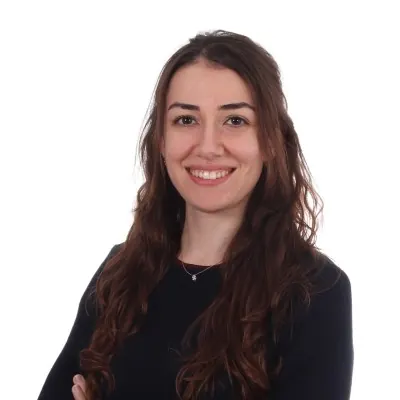
  • Hazar Ulusoy

    Hazar Ulusoy

    Microbiologist

    • Microbiology and strain development
    • Culturing and culture medium optimisation
    • Lab setup and protocols
    Background
    Education
    MSc Molecular Genetics, Leiden University
    Experience
    Does microbiology lab work for culturing and strain development. Writes the lab protocols that production runs on.
  • Sheyda Rastgar

    Robotics automation engineer

    • Electrical Control & Automation
    • Sensors & Motion Control
    • Embedded Systems & Communication
    Background
    Experience
    Designs and develops industrial automation and control systems for automated production lines. Specializes in control cabinet design, sensor integration, actuator control, embedded controllers and industrial communication protocols. Integrates hardware and software to build reliable and scalable automation solutions.
    in
  • Christiaan Hoogstraten

    Mechanical engineer

    • Machine and production line design
    • Mold design and fabrication
    • Automation and integration
    Background
    Education
    MSc Integrated Product Design, TU Delft. BSc Mechanical Engineering.
    Experience
    Developed custom motors for a robotic exoskeleton. Worked with a CNC mill and managed the suppliers of sensors, actuators and motor controllers.
    in
  • Scale-up adviser

    Senior adviser

    • Industrialisation and scale-up
    • Factory-scale production
    • Management and governance
    Background
    Experience
    More than thirty years of experience in industrial biomaterials, much of it at executive board level. Took production lines from pilot scale to full scale.
    Role
    Advises on scale-up, factory setup and the move from startup to manufacturer.
    Name
    Investors and partners can ask us for the name.
  • Bioprocess adviser

    Senior adviser

    • Industrial fermentation
    • Bioprocess technology
    • Culture scale-up
    Background
    Experience
    More than thirty years of experience in bioprocess technology and industrial fermentation. Took fermentation processes from lab scale to production scale.
    Role
    Advises on culture scale-up, reactor design and process control.
    Name
    Investors and partners can ask us for the name.
Careers at Plastilose

Your path

Choose where to start.

  • For healthcare

    Become a Founding Partner or start a pilot on your ward.

  • For investors

    The story, the milestones and how to request our deck.

  • Careers at Plastilose

    Microbiology, engineering and automation. Help us build our production.

Curious? Get in touch and we'll bring the cup.

Prefer email? info@plastilose.nl

A medicine cup made of bacterial cellulose in the lab

Sources and evidence

Everything we claim on this page, with the source, the conditions and the date we last checked it. Our own testing is marked as Internal test, plans as Goal. So you can check for yourself what each claim rests on.

Show all 23 sourcesHide sources
  1. Our own data We use no PFAS and no coating.
    Source
    Plastilose product specification (2026)
    Conditions
    This is about what we use, not a test result. The cup has not yet been tested for fluorine.
    Status
    Our own data
    Last checked
    8 October 2026
  2. Source Patent pending (Dutch application filed March 2026).
    Source
    Dutch patent application, filed 11 March 2026
    Conditions
    An application is not a granted patent.
    Status
    Source
    Last checked
    8 October 2026
  3. Source A pilot is running at Maasstad Ziekenhuis in Rotterdam, where hospital staff test our cup during the medication round.
    Source
    Maasstad Ziekenhuis press release, 9 April 2026
    Link
    maasstadziekenhuis.nl/nieuws/pilot-medicijncupjes (opens in a new tab)
    Conditions
    No patients take part yet. We share results only after the joint publication with Maasstad, expected in early November 2026.
    Status
    Source
    Last checked
    8 October 2026
  4. Our own data To our knowledge, our pilot at Maasstad Ziekenhuis is the first hospital pilot in the world with disposables made of bacterial cellulose.
    Source
    Maasstad Ziekenhuis press release (9 April 2026) and our own literature and market research
    Link
    maasstadziekenhuis.nl/nieuws/pilot-medicijncupjes (opens in a new tab)
    Conditions
    This is based on our own literature and market research.
    Status
    Our own data
    Last checked
    25 August 2026
  5. Estimate Over 50 million plastic medicine cups a year, in Dutch healthcare alone
    Source
    Plastilose market analysis: how many medicine cups does Dutch healthcare use? (2026)
    Link
    plastilose.nl/en/healthcare/market-analysis
    Conditions
    A conservative lower bound. Our own bottom-up estimate comes to 89 to 143 million, with 112 million as the best estimate. Not externally verified.
    Status
    Estimate
    Last checked
    8 October 2026
  6. Source A plastic medicine cup has a footprint of about 11.2 g CO₂-eq; a paper one about 1.5 g.
    Source
    Samen de zorg vergroenen, intervention 'Medicijncupje van papier' (paper medicine cup)
    Link
    samendezorgvergroenen.nl/interventie/medicijncupje-van-papier (opens in a new tab)
    Conditions
    Per 30 ml cup, published by Samen de zorg vergroenen.
    Status
    Source
    Last checked
    9 October 2026
  7. Source Paper disposable cups often have a plastic coating to make them watertight. Under EU rules that makes them a single-use plastic product.
    Source
    Directive (EU) 2019/904 (single-use plastics) and European Commission guidelines (2021/C 216/01)
    Link
    eur-lex.europa.eu/eli/dir/2019/904/oj (opens in a new tab)
    Conditions
    Applies to paper cups with a plastic lining or coating.
    Status
    Source
    Last checked
    9 October 2026
  8. Source Since 12 August 2026 the EU Packaging Regulation has restricted PFAS in food-contact packaging.
    Source
    Regulation (EU) 2025/40 (PPWR), Article 5
    Link
    eur-lex.europa.eu/eli/reg/2025/40/oj (opens in a new tab)
    Conditions
    This applies to food-contact packaging.
    Status
    Source
    Last checked
    7 October 2026
  9. Our own data Our bacteria grow on side streams from the food industry, not on food itself.
    Source
    Plastilose process documentation (2026)
    Conditions
    We do not disclose which streams.
    Status
    Our own data
    Last checked
    8 October 2026
  10. Goal Our goal is a cup that can go in the organic waste after use and become compost.
    Source
    Plastilose (2026)
    Conditions
    This is a goal, not a property of today's cup. Today the cup goes in general waste. We are still testing organic-waste and paper-recycling routes with waste processors. Nothing has been agreed. We do not have a compostability certificate.
    Status
    Goal
    Last checked
    8 October 2026
  11. Our own data The cup is made of cellulose, with no coating, laminate or additives. There is no plastic in it.
    Source
    Plastilose product specification (2026)
    Conditions
    This follows from the composition of the product. We do not yet have a microplastics test report.
    Status
    Our own data
    Last checked
    8 October 2026
  12. Source FTIR measurements show that bacterial cellulose does not react chemically with ibuprofen or propranolol. Only weak, reversible hydrogen bonds form.
    Source
    Jantarat et al., RSC Advances 11 (2021)
    Link
    DOI 10.1039/d1ra07761a (opens in a new tab)
    Conditions
    This is published research on bacterial cellulose, not a test of our cup.
    Status
    Source
    Last checked
    8 October 2026
  13. Internal test Formed cups hold liquid in our laboratory tests.
    Source
    Plastilose internal testing (2026)
    Conditions
    From early 2027 we will measure on the pilot line whether this holds for a full medication round.
    Status
    Internal test
    Last checked
    8 October 2026
  14. Source In a published study, bacterial cellulose lost about 75% of its mass in 8 weeks buried in soil.
    Source
    Bueno et al., Polymer Degradation and Stability 217:110535 (2023)
    Link
    DOI 10.1016/j.polymdegradstab.2023.110535 (opens in a new tab)
    Conditions
    It was a greenhouse soil-burial test. It was done on the material, not on our cup. We do not have a compostability certificate.
    Status
    Source
    Last checked
    25 August 2026
  15. Our own data 45+ healthcare organisations and distributors have come to us unprompted since April 2026
    Source
    Plastilose CRM records, October 2026
    Conditions
    Count from our customer system (CRM), cleaned in October 2026: no private individuals, duplicates or lost leads. We did no outreach in that period. Interest is not an order.
    Status
    Our own data
    Last checked
    9 October 2026
  16. Source Winner of the Nieuwe Heldenprijs 2026.
    Source
    Nieuwe Heldenprijs 2026
    Link
    rotterdamseondernemersprijs.nl/2026/06/02/dura-vermeer-wint-rotterdamse-ondernemersprijs-2026 (opens in a new tab)
    Conditions
    Awarded on 2 June 2026.
    Status
    Source
    Last checked
    8 October 2026
  17. Source Selected for the KVK Innovatie Top 100 2026 (Circulaire economie).
    Source
    KVK Innovatie Top 100, 2026
    Link
    kvkinnovatietop100.nl/site/top-100-2026 (opens in a new tab)
    Conditions
    Annual selection by the Netherlands Chamber of Commerce.
    Status
    Source
    Last checked
    8 October 2026
  18. Our own data Our manufacturing process is at TRL 4 to 5, with TRL 5 targeted for early 2027.
    Source
    Plastilose internal assessment (2026)
    Conditions
    This is measured against the bioprocess, not the product.
    Status
    Our own data
    Last checked
    8 October 2026
  19. Goal A pilot line for about 10,000 cups a week, under construction in Delft, with the goal of running by the end of 2026.
    Source
    Plastilose business plan 2026-2036
    Conditions
    This is a target, not current output.
    Status
    Goal
    Last checked
    8 October 2026
  20. Goal Our plan is our own production line for 1 million cups a week. We aim for the first cups at the end of 2028 and full capacity in 2030.
    Source
    Plastilose business plan 2026-2036
    Conditions
    This is a plan that depends on financing.
    Status
    Goal
    Last checked
    8 October 2026
  21. Goal The first licence is planned for 2030. After that, partners can build factories with our process, each with a line of 1 million cups a week.
    Source
    Plastilose business plan 2026-2036
    Conditions
    This is a plan, not an agreement. No licence exists yet.
    Status
    Goal
    Last checked
    8 October 2026
  22. Goal In the long term we want to make 100 million products a week, on our own lines and with partners. The medicine cup is where it starts.
    Source
    Plastilose business plan 2026-2036
    Conditions
    This is an ambition, not a forecast.
    Status
    Goal
    Last checked
    8 October 2026
  23. Our own data Two founders, five employees and two advisers.
    Source
    Plastilose (2026)
    Conditions
    This is the position as of October 2026.
    Status
    Our own data
    Last checked
    8 October 2026