
Pilot 2026
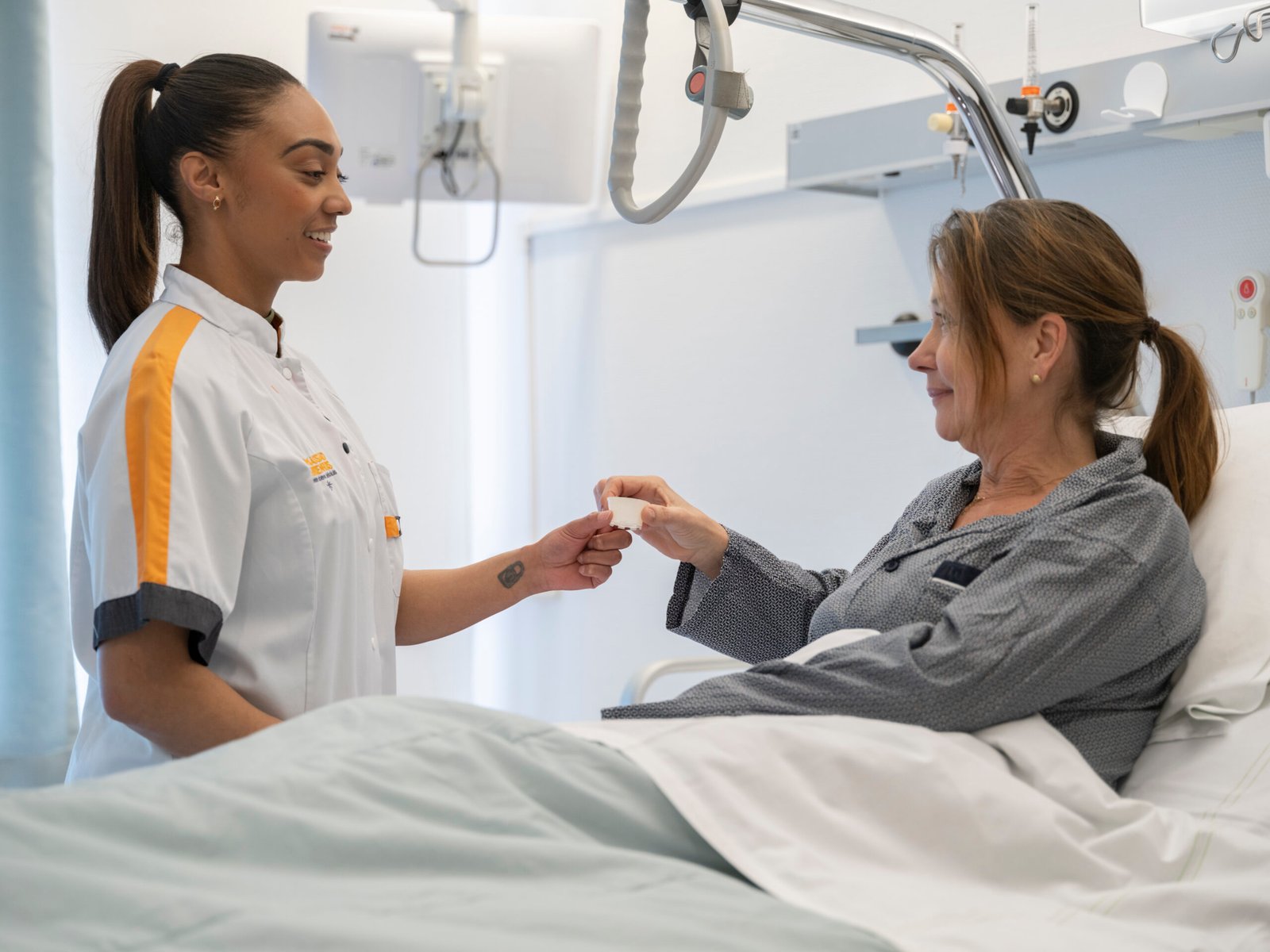
Maasstad Hospital in Rotterdam is the first hospital in the world to pilot medicine cups made from bacterial cellulose. No plastic, no PFAS, fully biodegradable.

In Dutch healthcare, more than 50 million plastic medicine cups are thrown away every year. Single use, straight to the incinerator. Maasstad Hospital and Plastilose are showing it can be done differently, with cups made from bacterial cellulose that fully biodegrade within months.
The problem
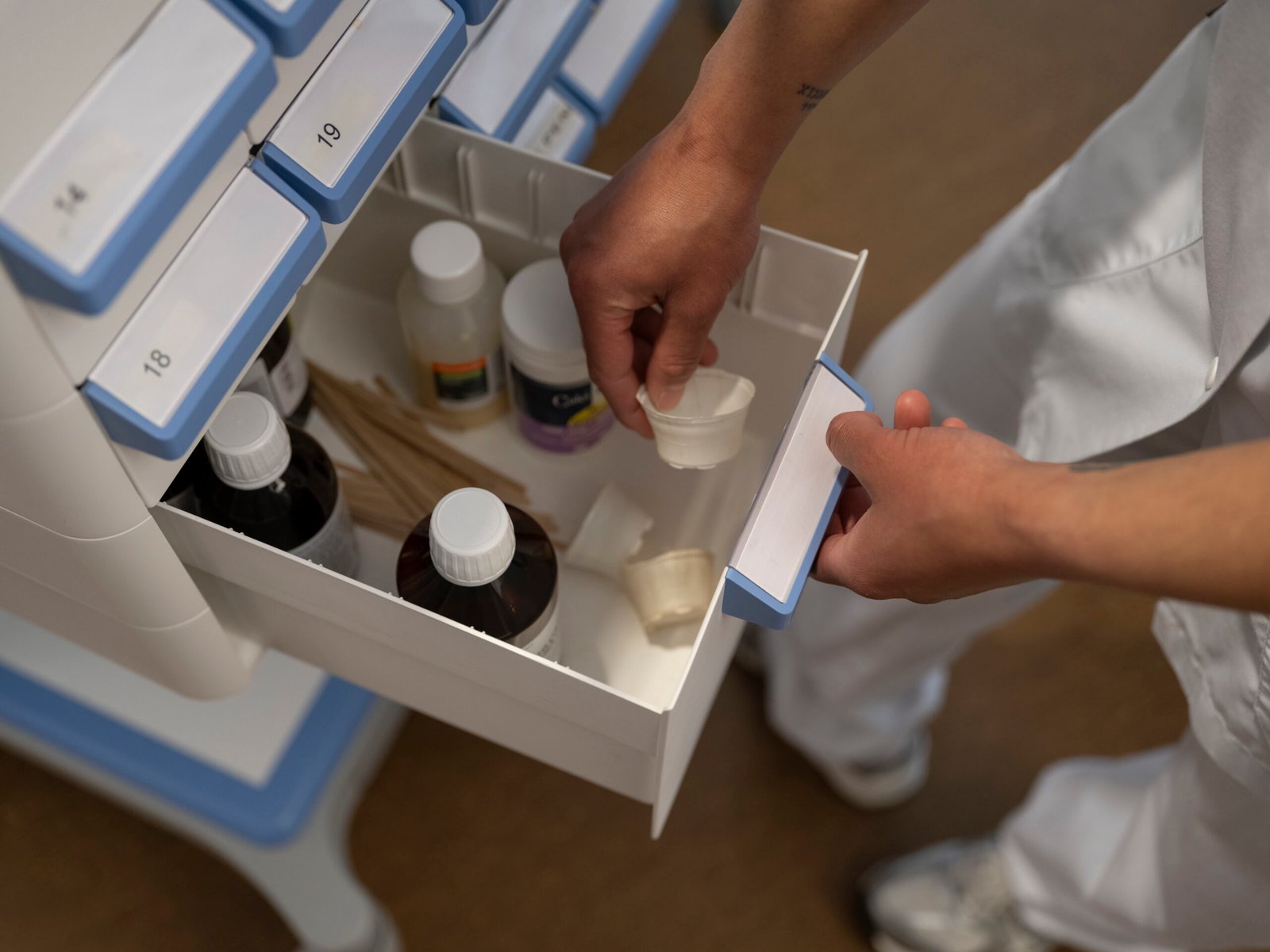
On average, a single hospital discards more than 300,000 plastic medicine cups per year. Single use, straight to the incinerator.
Paper alternatives sound good, but almost always contain PFAS coatings. Reusable stainless steel cups require autoclave sterilisation and additional logistics.
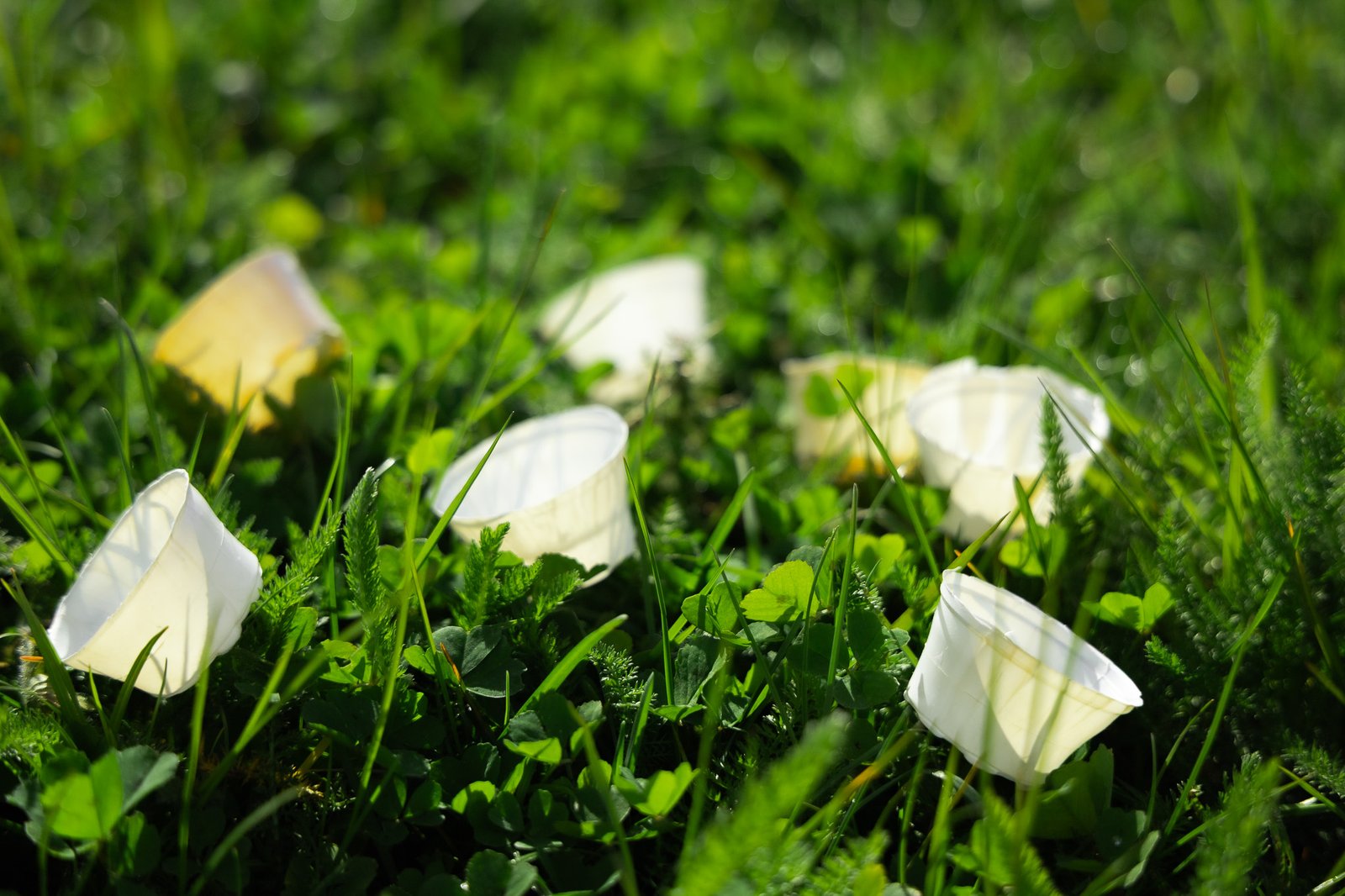
Bacterial cellulose is fundamentally different: no plastic, no PFAS, biocompatible, up to 10x stronger than polypropylene and fully biodegradable within months. The material already has FDA status as a safe material and is used in medical wound dressings.
Pilot approach
On the ward, with real staff and real feedback. Not a theoretical model, but daily practice.
Audit of current cup usage: quantities per department, medication types, waste streams and costs.
Compatibility testing with common medications, moisture resistance and fit on standard medication trays.
Controlled rollout on the nursing ward. Daily use with monitoring of workflow and patient experience.
Feedback from nursing staff and pharmacy. Comparison of waste, costs and CO₂ emissions.
Comparison
| Property | Plastic (current) | Plastilose (BC) |
|---|---|---|
| PFAS exposure | ✗ Present in coatings | ✓ 0% PFAS |
| Microplastics | ✗ With every cup | ✓ 0 microplastics |
| Biodegradability | ✗ Hundreds of years | ✓ ~90 days |
| Strength | ~ Standard PP | ✓ Up to 10x stronger than PP |
| Drug interaction | ~ Plasticisers possible | ✓ Biocompatible, 0 interactions |
| Waste stream | ✗ Residual waste only | ✓ Any waste stream |
| Regulation | ~ Standard | ✓ FDA status as safe material |
Images
The partner
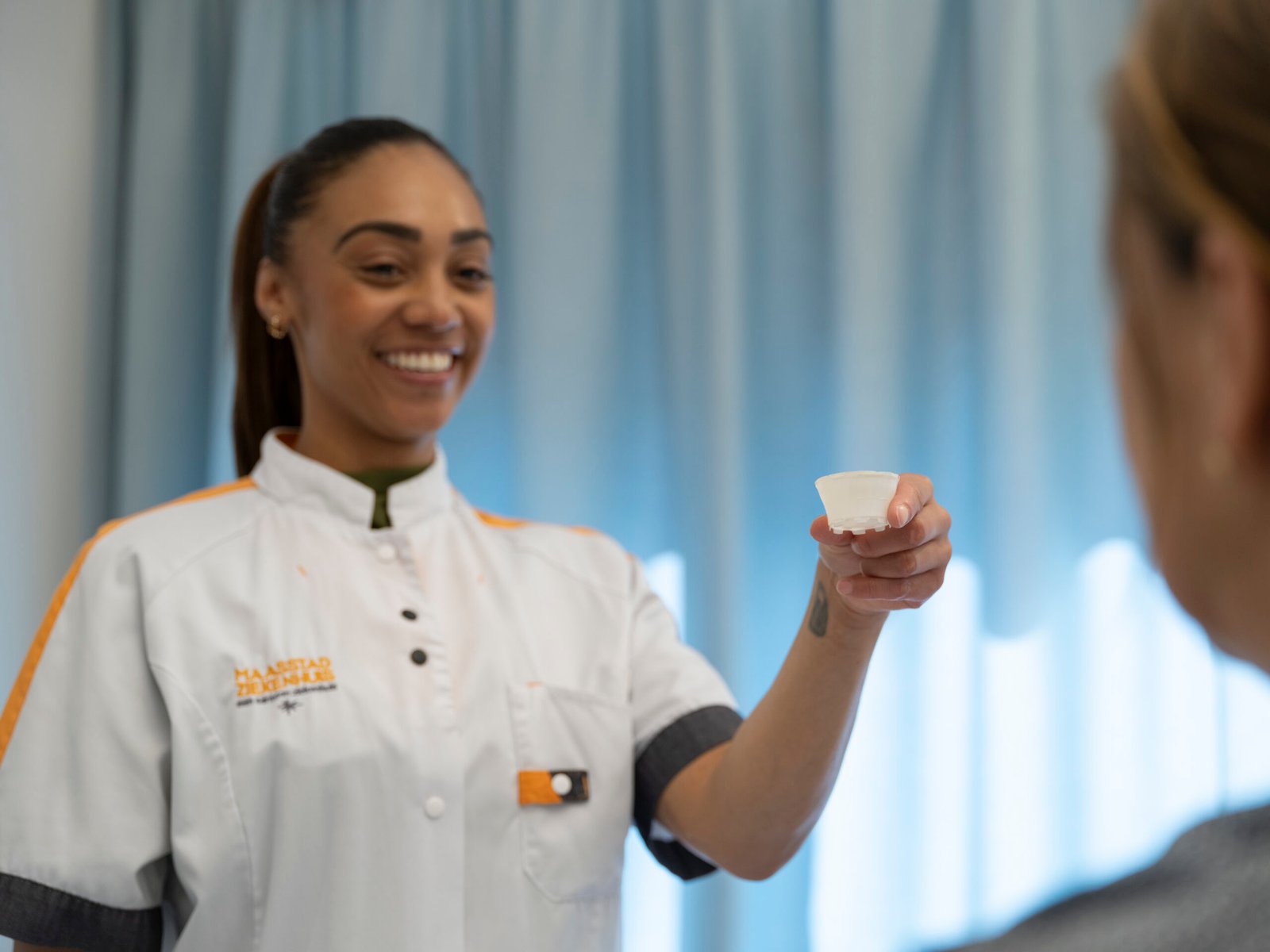
Maasstad Hospital is not just any hospital. They already collect all polypropylene paper from the operating theatre for recycling, actively separate plastic waste, and participate in the Green Deal Sustainable Healthcare 3.0.
As one of the largest non-academic hospitals in the Netherlands, Maasstad is the ideal partner to prove that plastic-free medication dosing works at scale — in the daily medication round, on the ward.
Collaborate
Plastilose works with forward-thinking healthcare institutions looking to make the medication round more sustainable. Sign up or discover the options as a founding partner.