Technology overview

Bacterial cellulose. Nature's answer to fossil plastics.

A strong, flexible, waterproof biomaterial grown by bacteria from agricultural waste. No petroleum. No PFAS. No microplastics. Performs like plastic, decomposes like a leaf.

Bacterial cellulose close-up showing nanofibril structure

What is bacterial cellulose?

Bacterial cellulose (BC) is a pure form of cellulose produced by Komagataeibacter bacteria during fermentation. Unlike plant cellulose, it contains no lignin, hemicellulose, or pectin. The result is a chemically pure β-1,4-glucan polymer with an ultrafine nanofibril network.

This nanoscale architecture gives BC exceptional mechanical strength, natural water resistance, and full biodegradability, properties that make it uniquely suited to replace fossil plastics in single-use applications.

BC nanofibrils are 100x thinner than plant cellulose fibers, creating a dense, interlocking mesh that gives the material its strength and barrier properties without any chemical treatment.

Gomes, F. P., et al. (2022). Materials, 15(3), 1100. doi:10.3390/ma15031100

High crystallinity means tightly ordered molecular chains, translating to superior tensile strength and structural rigidity. Plant cellulose typically reaches only 40-60% crystallinity.

Gomes, F. P., et al. (2022). Materials, 15(3), 1100. doi:10.3390/ma15031100

BC is composed almost entirely of carbon, hydrogen, and oxygen. No fluorine, no chlorine, no heavy metals. This purity means zero PFAS, zero microplastics, and clean decomposition back to CO₂ and water.

Abol-Fotouh, D., et al. (2022). Water Research. doi:10.1016/j.watres.2022.118952
Biofabrication process

From waste stream to finished product.

Five steps. No petroleum. No synthetic chemistry. Every input is biological, every output is biodegradable.

Plastilose sources feedstock from agricultural waste streams, fruit processing residues, and food industry byproducts. These waste materials contain the simple sugars that Komagataeibacter bacteria convert into cellulose. By building on existing waste flows, we avoid competing with food production and turn disposal costs into material value.

Our supply partnerships with Dutch farmers and food processors ensure consistent feedstock quality and traceability throughout the production chain.

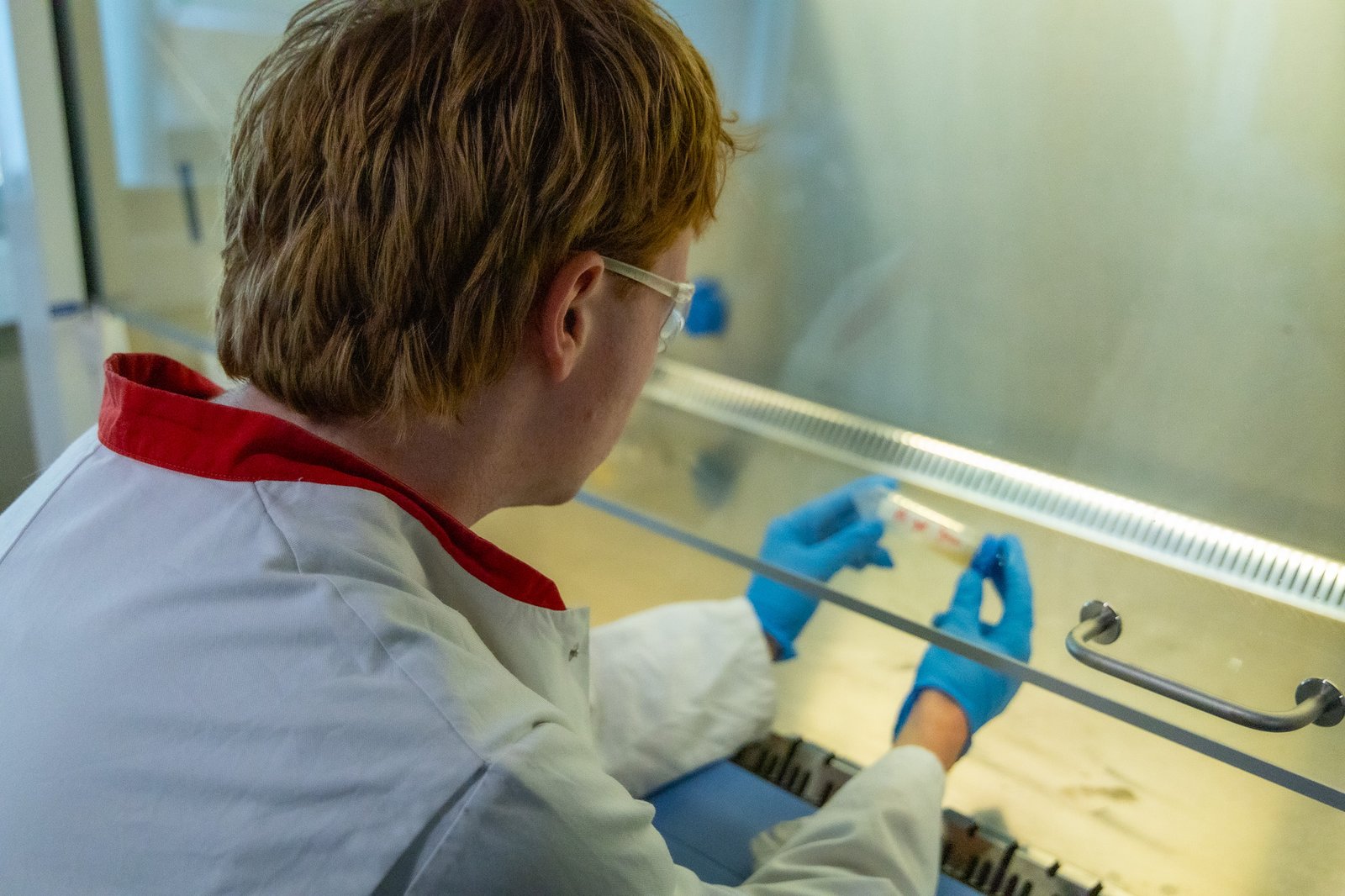
Komagataeibacter bacteria are cultured in shallow trays at 30 °C under static conditions. Over 7-14 days, they convert sugars into a floating cellulose pellicle at the air-liquid interface. Published studies demonstrate yields up to 20.6 g/L on optimized substrates.

The process requires no high temperatures, no pressure, and no synthetic chemicals. Energy input is minimal compared to plastic manufacturing.

Liu, K., et al. (2025). ChemSusChem. doi:10.1002/cssc.202401578

After fermentation, the cellulose pellicle is harvested and purified through mild alkaline treatment (NaOH wash). This removes residual bacteria and culture medium, yielding a translucent, chemically pure cellulose sheet.

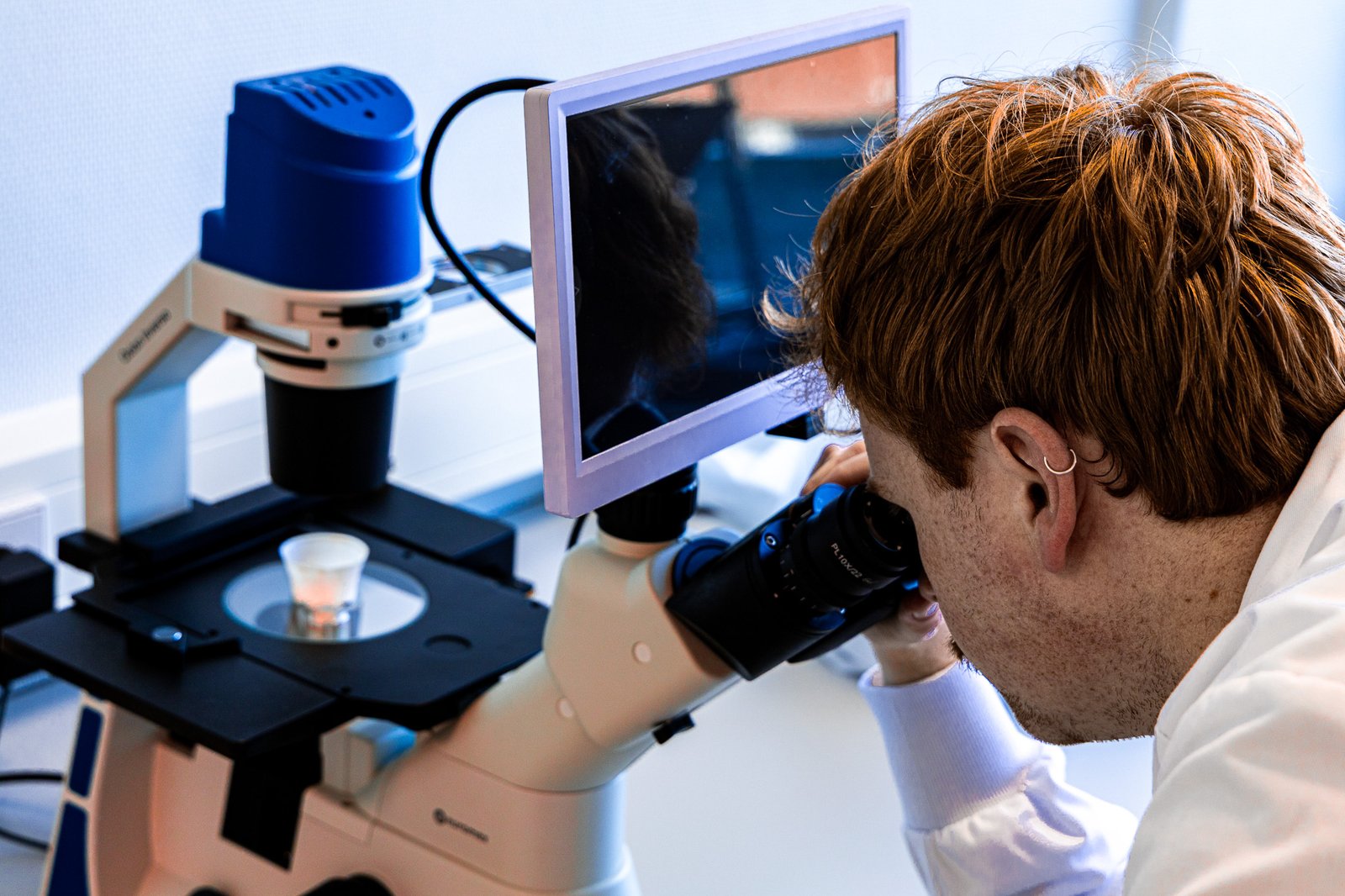
Quality control at this stage verifies sheet thickness, uniformity, and structural integrity before the material proceeds to 3D forming.

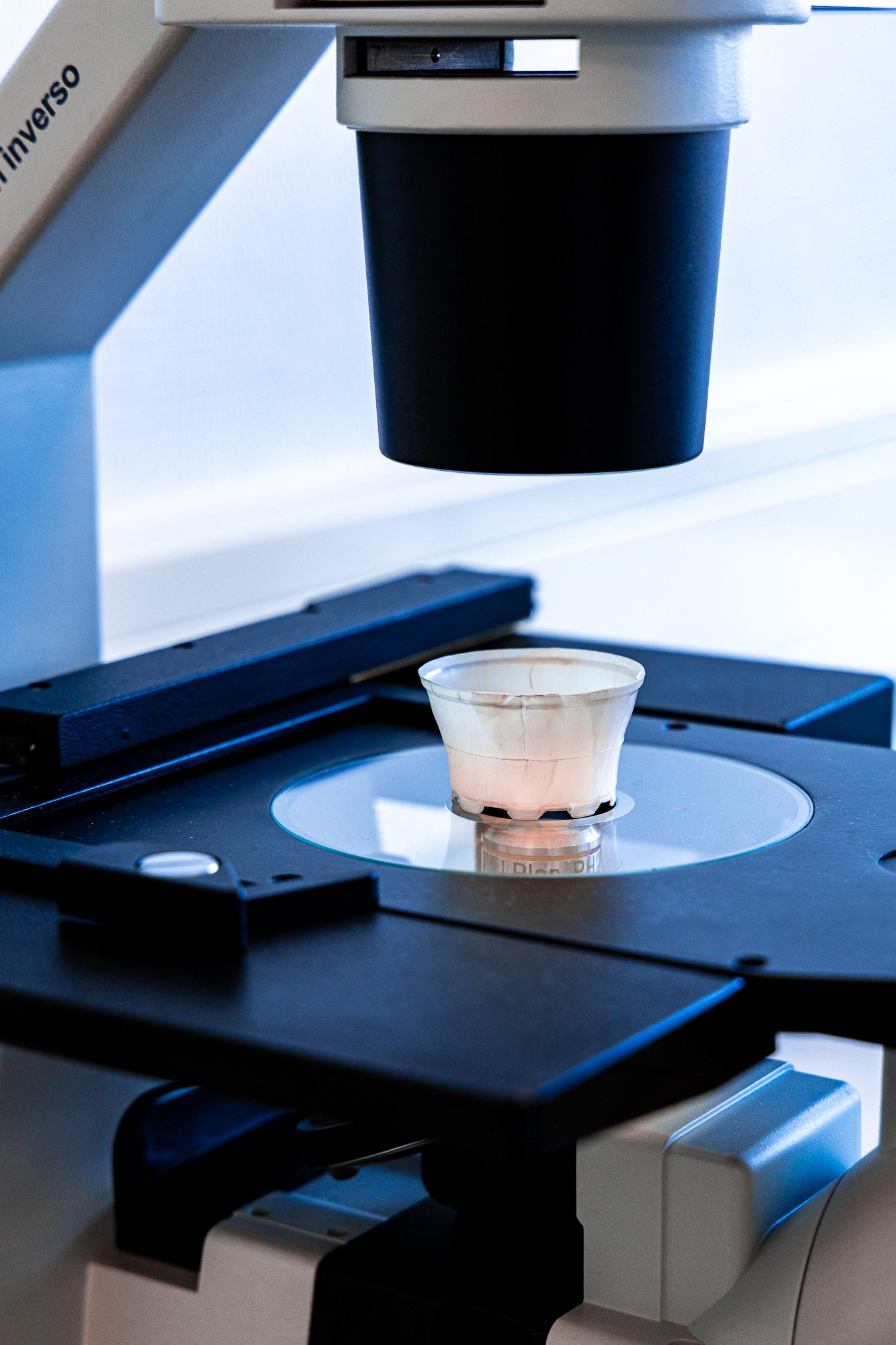
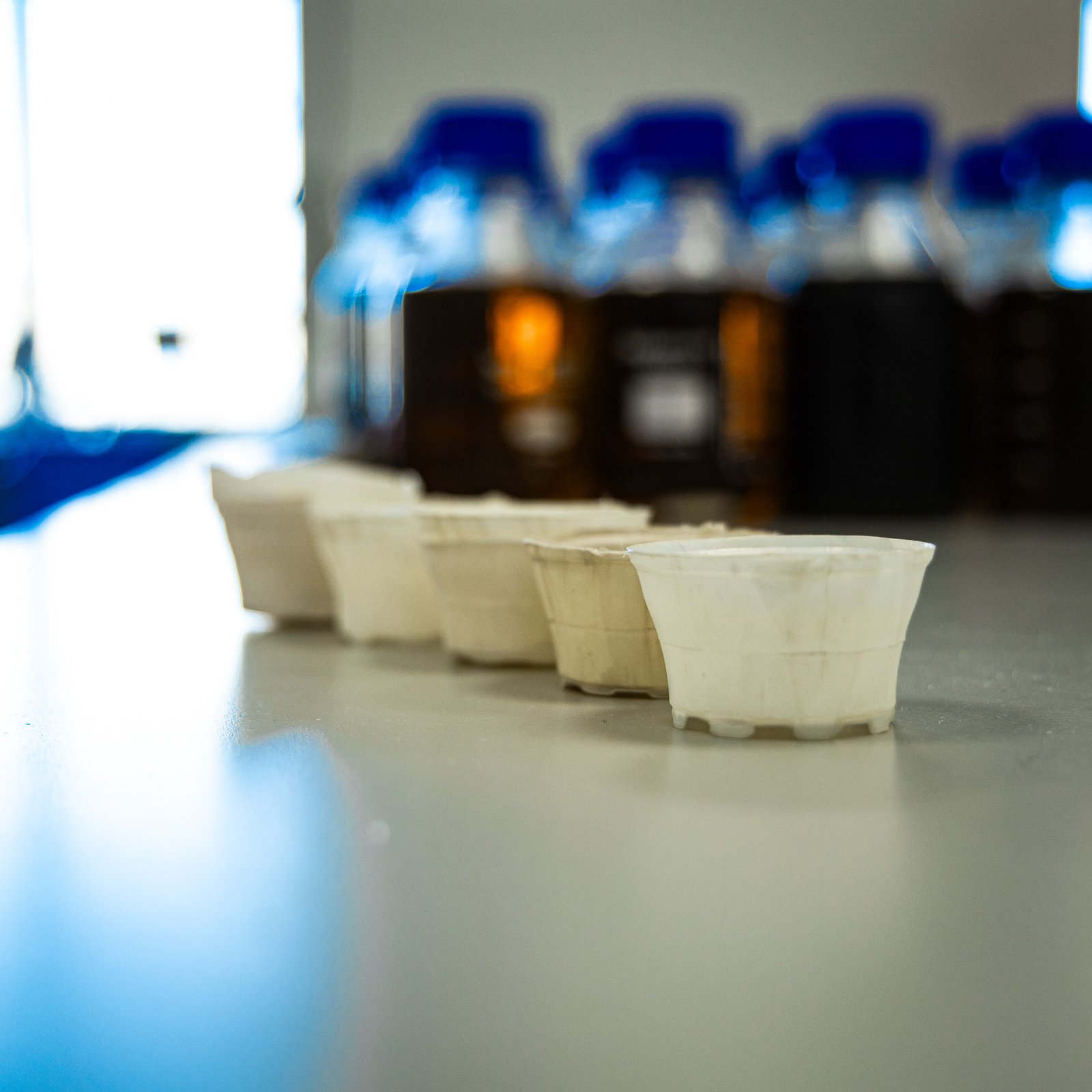
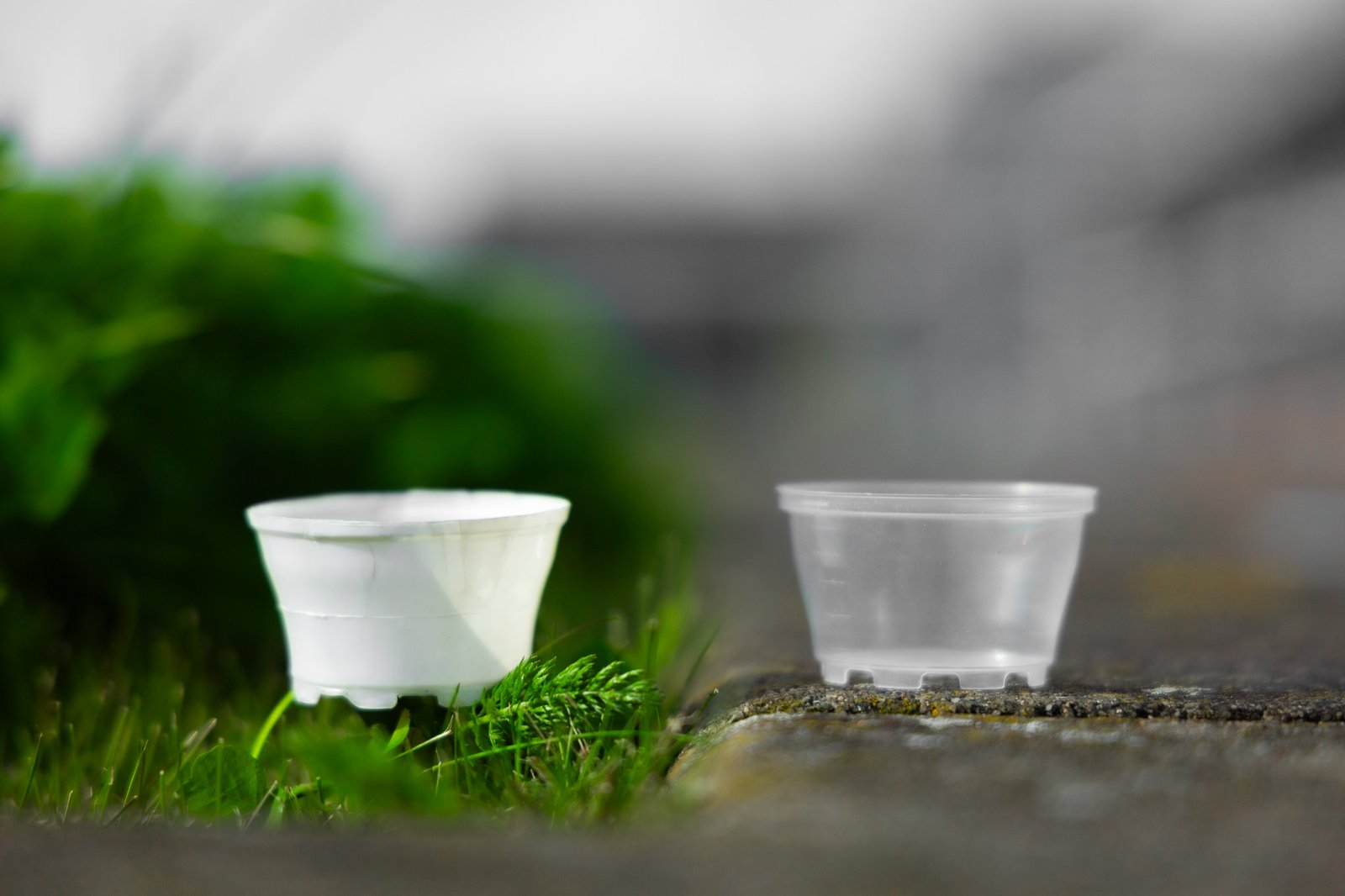
Plastilose's patent-pending forming technology shapes purified cellulose sheets into three-dimensional products such as medicine cups and dosing containers. The process preserves the material's mechanical strength, barrier properties, and biodegradability.

This is our core IP. Patent application filed 2026. Details are proprietary.

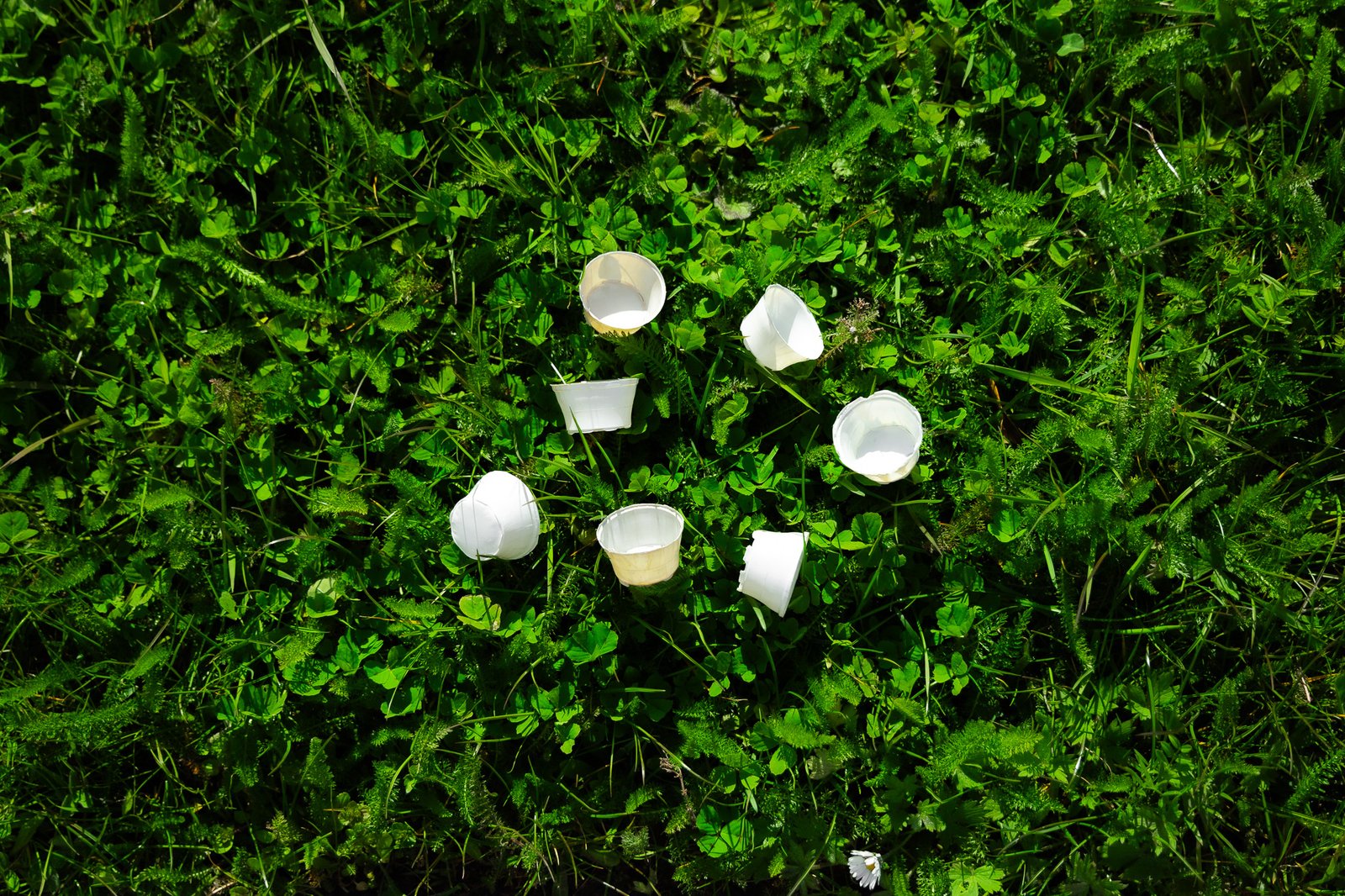
After use, Plastilose products decompose naturally through microbial action in soil. Visible surface degradation begins within 30 days. Full structural breakdown occurs within 90 days. Approximately 75% mass loss is achieved in 8 weeks under soil burial conditions.

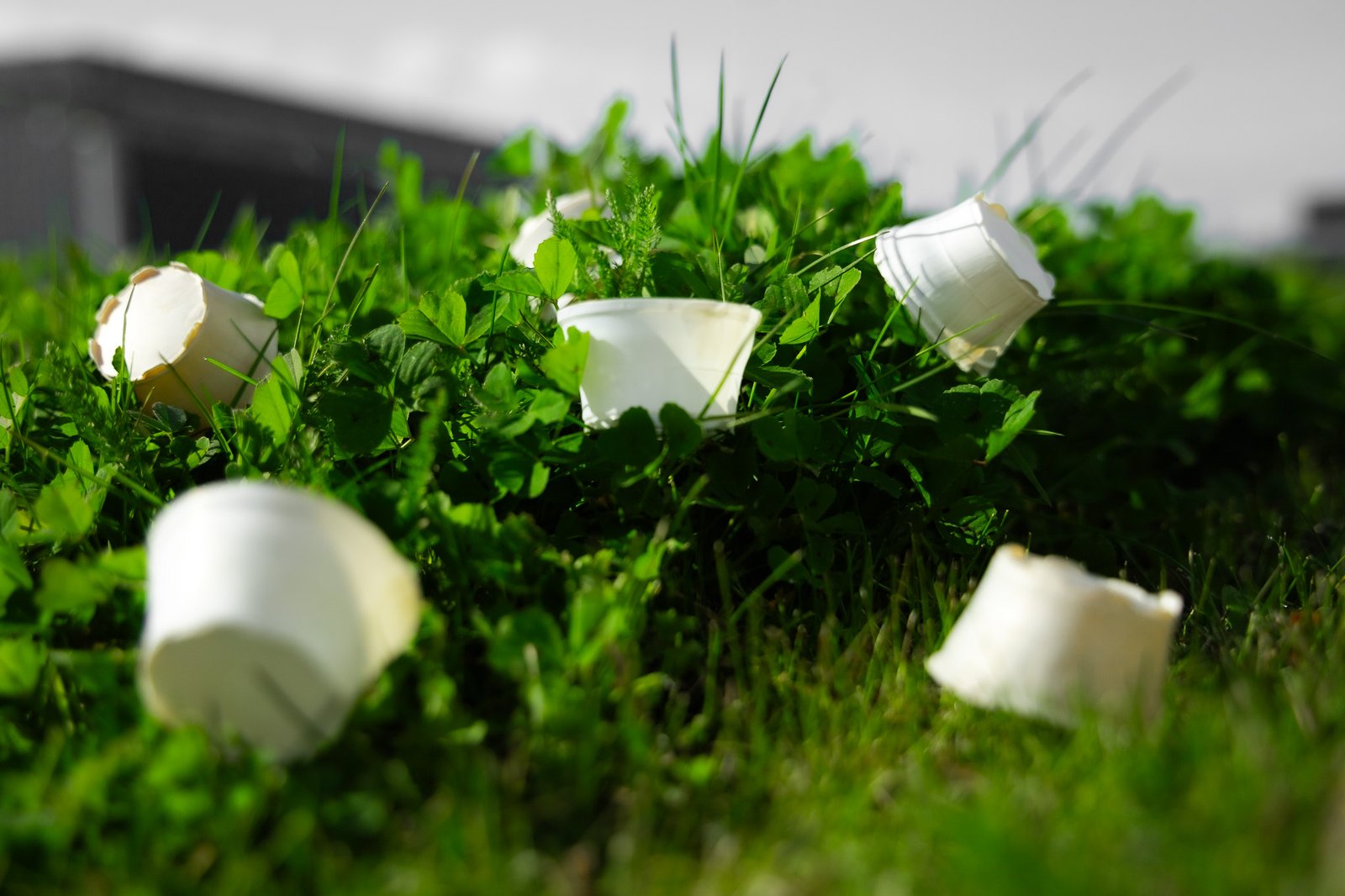
Unlike PLA and other bioplastics, bacterial cellulose does not require industrial composting at elevated temperatures. It degrades in garden compost, regular soil, and natural environments.

Barretto, H. C. M., et al. (2023). Polymer Degradation and Stability, 214, 110382. doi:10.1016/j.polymdegradstab.2023.110382

Performance data

The numbers behind the material.

Mechanical

200-300 MPa

Tensile strength
200-300 MPa
Young's modulus
up to 114 GPa
Crystallinity
84-89%
Fiber diameter
20-100 nm

Gomes et al. (2022). doi:10.3390/ma15031100

Barrier

84% WVP reduction

Water vapor permeability
84% reduction
Coatings required
None
PFAS content
0%
Water resistance
Structural modification only

Yu et al. (2024). doi:10.1039/D3SU00219E

Biodegradation

90 days

Surface degradation
30 days
Full decomposition
90 days
Mass loss (8 weeks)
~75%
Industrial composting
Not required

Barretto et al. (2023). doi:10.1016/j.polymdegradstab.2023.110382

Environmental

96% lower CO₂

CO₂ vs polypropylene
96% lower
PFAS content
0%
Microplastics
0%
Feedstock
Agricultural waste

Internal LCA. Supported by Rosenboom et al. (2022). doi:10.1038/s41578-021-00407-8

Competitive comparison

How bacterial cellulose compares.

PFAS content

Plastilose BC 0%
Polypropylene 0%
PFAS-coated paper Present
PLA bioplastic 0%

Microplastics

Plastilose BC None
Polypropylene Yes
PFAS-coated paper Yes (coatings)
PLA bioplastic Possible

Decomposition time

Plastilose BC 90 days
Polypropylene 400+ years
PFAS-coated paper Varies
PLA bioplastic Industrial only

Water resistance

Plastilose BC Yes (structural)
Polypropylene Yes
PFAS-coated paper Yes (chemical)
PLA bioplastic Limited

CO₂ vs polypropylene

Plastilose BC 96% lower
Polypropylene Baseline
PFAS-coated paper ~30% lower
PLA bioplastic ~40% lower

Industrial composting required

Plastilose BC No
Polypropylene N/A
PFAS-coated paper Often
PLA bioplastic Yes

Medical grade viable

Plastilose BC Yes
Polypropylene Yes
PFAS-coated paper Limited
PLA bioplastic Limited

Technology readiness

Where we are today.

1 Basic principles
2 Concept formulated
3 Proof of concept
4 Lab validated
5 Relevant environment
6 Prototype demo
7 System prototype
8 System complete
9 Production ready

TRL 4 completed. TRL 5 validation in progress with hospital pilot partners.

Technology milestones

2024

BC production validated. First 3D forming prototypes. Founded Plastilose B.V.

2025

Mechanical and barrier testing complete. First hospital partner signed.

2026

Patent filed. TRL 5 validation. Pilot production at 10,000 units/week.

2027-28

Semi-automated line. TRL 7. MDR pathway. 100K units/week capacity.

2030

Industrial-scale production. TRL 9. 1M+ units/week. Price parity.

Intellectual property

Protected technology.

Plastilose's competitive advantage rests on proprietary post-processing technology that transforms flat bacterial cellulose into functional three-dimensional products. This core innovation is protected through formal IP filings and operational trade secrets.

Our fermentation optimization, strain selection protocols, and quality control processes constitute additional layers of know-how that are not publicly disclosed.

Patent filed 2026

3D cellulose forming process. Application covers the core post-processing technology for shaping bacterial cellulose into functional products.

Trade secrets

Fermentation optimization, strain selection, and quality control protocols are maintained as proprietary operational knowledge.

R&D pipeline

Active research into next-generation formulations, expanded product categories, and production efficiency improvements.

Deze website gebruikt cookies voor een optimale ervaring. Lees onze privacyverklaring voor meer informatie